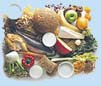
Triglyceride is the commonest form of fat present in foodstuffs as well as in stored fat in our body. Triglyceride is formed in our body when glucose which comes into the blood is extra, and insulin converts it to triglyceride and sends it to the fat cells where it is stored. When this storage mechanism breaks down the triglyceride remains in the blood.
Factors contributing to raised triglycerides are as follows
Family history - those who have ancestors who have died of heart disease or have had a heart attack or even just have high blood lipid levels should regularly check their blood lipid profile. You may be thin and active but suddenly show high triglycerides. Severe stress - at work, long working hours, family problems, financial problems etc. can shoot up the triglycerides without any warning. Obesity - Those who are overweight are definitely more prone to high triglyceride levels and also those already suffering from high B.P or diabetes or gout must regularly check their blood lipid levels. Lifestyle - Those who have had a very active childhood and youth, been into heavy sports and games and suddenly become very sedentary because of heavy and tight work schedules will see triglycerides rising. Smoking - those smoking heavily may find the lipid picture drastically changing for the worse. Diet -last but not the least your diet and eating habits have a profound effect and can be the one biggest contributing factor to changing or raising your triglycerides.
Everything we consume, fats, carbohydrates (sugars, starches) proteins and alcohol are all digested to form glucose. 1tsp sugar or starch gives us 20 cals of glucose and 1 tsp fat gives 45 cals of glucose. 1 large drink, 1 glass beer, 1 glass wine gives us approximately 7 tsp sugar or
150 cals of glucose.  All excess glucose, no matter what its origin is converted to triglycerides. If large excesses keep coming and the removal system breaks down the triglycerides rise in the blood and can block the blood vessels and a heart problem is then just round the corner. All excess glucose, no matter what its origin is converted to triglycerides. If large excesses keep coming and the removal system breaks down the triglycerides rise in the blood and can block the blood vessels and a heart problem is then just round the corner.
The simple rule is moderation. You have to stop binging on food or drinks of any kind. "Fatty foods, oh no! I don't indulge in fatty food, only I love my rice, I have to eat atleast 2-3 cups at lunch daily". "I never over eat anything but I need my 3-4 large drinks or half bottle wine every time I drink". "You see, my doc said I could have 2 larges, 3 times a week. But I drink only once a week, so I do 6 larges when I do". That's high triglycerides!!! Even excess sweets or excess fruits can raise triglycerides. The only two things that you can binge on are salads and water! The more salad you eat the lower will be your triglycerides as fiber in salad helps to break the fat. So here are some specific rules to lower your 305-triglyceride level. 1 For atleast 3 months you have to cut out all fatty foods i.e. cream, butter, ghee, cheese, paneer, mayonnaise, all fried snacks, pickles, papads, nuts, soya, red meat, organ meat, cookies, pastries, sweets, chocolate, icecream etc. (Use only commercially skimmed milk- Nestle slim, Sagar, Good life slim) 2 Day to day regular food has to be eaten in measured, moderate quantities, this includes fruits. (Avoid dried fruits, banana, mango, chikoo, jackfruit and grapes) 3 Rice or rice items to be eaten once in a day. Otherwise use whole wheat bread, cereal, ragi, jowar or bajra and phulka (dry chapatti) Avoid rice at night strictly.
4. Eat raw salad- tomato, cucumber, radish, cabbage, capsicum, carrot and lettuce etc., daily, at both lunch and dinner. 5 Alcohol- 2 small drinks or1 glass beer or 1 glass wine, twice a week. Finally drink 2-3 ltr water daily and a 30-45 minutes walk, all 7 days
is a must. The best effects are seen from 30 minutes morning and 30 minutes evening walks. |