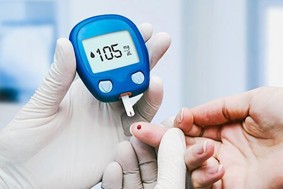
Early Detection to Prevent Diabetes Mellitus
Diabetes Mellitus is a silent chronic disorder in which we see blood sugar levels raised above normal, fasting above 120 mg/dl and post prandial above 140 mg/dl. This may be due to defective insulin secretion or defective insulin action or a combination of both. The result is an alteration in the digestion and utilization of carbohydrates, fats and proteins that we eat. Raised blood sugar levels cause changes in the blood vessels and thus can affect the eyes, kidneys, nerves, heart, skin, brain and feet.
It is estimated that there are over 32 million diabetics in India and it could become 57 million by as the years go by, says WHO. India is thus called the Diabetic Capital of the World. Our mission as Dieticians and Nutritionists is to advise and educate not only present diabetics but all family members of diabetics so that they prevent and protect themselves from becoming diabetics.
All adult Indians should have their blood sugar levels tested especially if anybody in their family has diabetes or if they are overweight. If both parents are diabetic, you have a 99% chance of getting diabetes. If one parent is diabetic and any other relative of the non-diabetic parent is also diabetic 75% chance. If one parent is diabetic 50% chance. If any other close relative is diabetic 25% chance.
Prevention:
Diabetes is mostly silent.
Don't wait to see symptoms like thirst, excessive urination, excessive hunger and loss of weight, or sudden weight gain, these symptoms may show up only later.
Early identification can help prevent diabetes. Those with a family history of diabetes should do a routine blood test after age 25. Young girls who have irregular periods must also check for diabetes.
Prevention of diabetes is possible by lifestyle modifications - weight reduction, regular walking and even if thin avoiding binge eating (over eating) or excess alcohol consumption.
Now we have a blood test which helps you to check serum insulin levels and this can give you a clearer picture of whether you are prone to becoming diabetic or not.
Diabetes is classified into Type 1, Type 2, Gestational diabetes and Secondary diabetes.
Type 1 diabetes (previously called Insulin Dependent Diabetes Mellitus or IDDM) is usually seen in young children though it can occur at any age. It is caused by a damage in the beta cells of the pancreas resulting in insufficient production of insulin. The person will require insulin injections throughout.
Type 2 diabetes (previously called Non- Insulin Dependent Diabetes or NIDDM) is mostly seen in adults and is believed to have a strong genetic influence. The main defect here is that the insulins action is affected. It occurs more frequently in obese individuals and responds well to oral medication
Gestational Diabetes Mellitus (GDM) appears first during pregnancy. Such women usually have to be put on insulin along with diet for control of blood sugar, as oral hypoglycaemic agents have not yet been proved to be safe for use during pregnancy. Diabetes may settle after delivery in many cases but some women may continue to have diabetes even after delivery. In general, women who develop gestational diabetes are at higher risk of developing type 2 diabetes later in life.
Secondary forms of diabetes are rare and these usually develop following other disorders like certain genetic abnormalities, alcoholic pancreatitis, infections and intake of certain drugs such as steroids, diuretics and certain psychiatric drugs.
|